
Top Benefits of Using Scale Models in Architecture and Interior Design
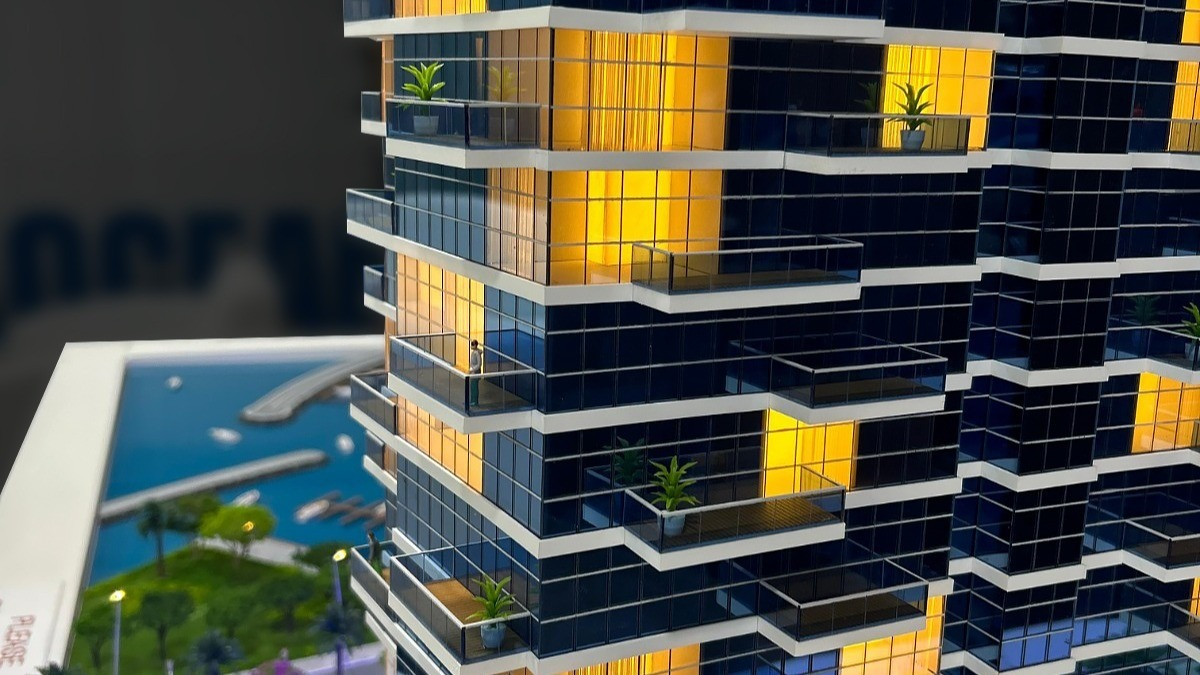
In the fast-paced world of architecture and interior design, especially in the Middle East, scale models continue to play a vital role in turning vision into reality. Whether it's a futuristic skyscraper in Dubai or a luxury villa in Riyadh, architectural model making remains an essential design and planning tool.
1. Enhanced Visualization and Realistic Concept Development
Scale models provide a tangible three-dimensional representation of architectural ideas. Unlike digital renderings, physical models offer a real-world perspective of space, scale, and proportion.
For architects and interior designers across Abu Dhabi, Doha, and Dubai, scale models help visualize spatial relationships, interior layouts, natural lighting, shadows, and material combinations. This hands-on process leads to more refined and creative design development.
2. Improved Communication with Clients and Stakeholders
Not all clients understand technical drawings or digital plans. A physical architectural model instantly communicates design intent, creating clarity and trust.
In the Middle East, scale models are widely used in project pitch meetings, real estate sales centers, public exhibitions, and trade shows. Their emotional impact helps investors and buyers visualize themselves within the space.
3. Design Validation and Risk Reduction
Architectural model making is also a practical testing tool. By examining a scaled version, architects can identify spatial errors, structural inconsistencies, ineffective layouts, and design flaws early in the process.
Detecting issues at this stage saves time and prevents costly revisions during construction, a critical advantage in fast-developing markets like the UAE and Saudi Arabia.
4. Support for Interior Design Planning
Interior designers use scale models to demonstrate room arrangements, furniture placement, and color palettes. This approach is especially valuable for hospitality projects, luxury residences, and commercial interiors where precision matters.
Clients gain a clearer understanding of the final outcome, enabling faster approvals and more accurate customization.
5. Why Scale Models Matter in the Middle East
The Middle East is home to some of the world’s most ambitious architectural projects, including Burj Khalifa, NEOM, and Expo City. Each began with detailed architectural scale models.
Cities like Dubai, Riyadh, and Doha demand high-detail, premium-quality models created using advanced technologies such as CNC milling, laser cutting, and 3D printing.
Conclusion: Scale Models as a Strategic Asset
Scale models provide far more than visual appeal. They are powerful tools for precise design development, stakeholder engagement, flaw detection, and winning investor confidence.
For architects and designers operating in the Middle East’s competitive architectural landscape, professional scale model making is a strategic investment.
architectural scale models, model making Dubai, interior design scale models, architecture firms Middle East, model makers in Saudi Arabia, UAE architecture tools, architecture project visualization, physical architectural models